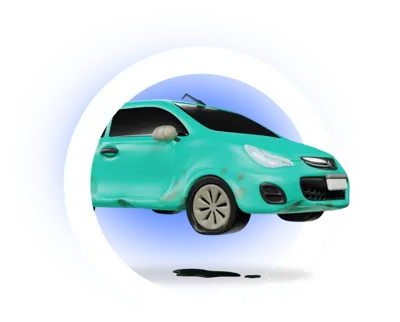
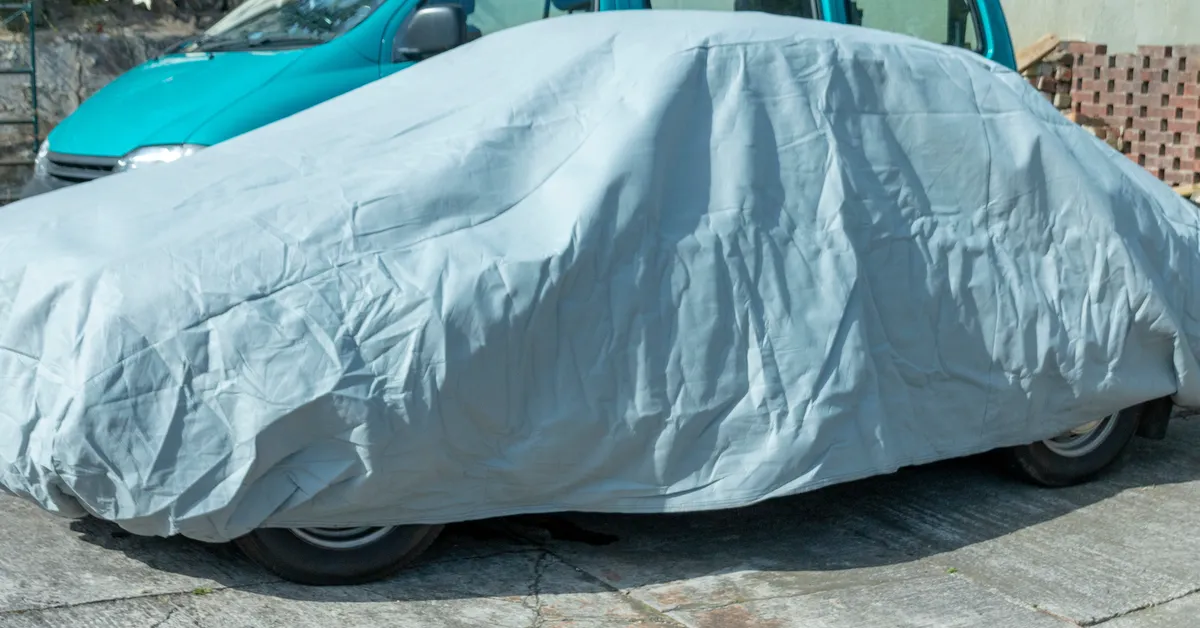
If you’ve got a car that’s been sitting on the drive unused for months, you might be wondering what condition it’s in. At EMR, this is something we hear about all the time. People often get in touch with us asking, “Can I still scrap my car?
The short answer is yes – you can still scrap your non-running car, and it’s something we’re happy to help with!
Cars aren’t designed to sit unused for long periods. At first, it doesn’t feel like much of a problem. The car still looks the same as it did when it was last driven. However, vehicles are designed to move regularly, so if you’re wondering what happens when a car is left sitting unused for months, here are a few of the most common problems that can develop.
The battery goes flat
The first problem you’re likely to encounter is with the battery. Even when the engine is switched off, modern vehicles still draw small amounts of power for things like alarms, onboard computers, and central locking systems.
Over time, that slow drain can completely discharge the battery. If the car has been sitting with a flat battery for several months, the battery may no longer be able to hold a charge, which takes a quick jump start out of the equation.
How quickly this happens often depends on external factors, such as the weather and the overall condition of the battery. Cold temperatures slow down the chemical reactions inside the battery that produce electrical power. At the same time, colder weather also makes engines slightly harder to turn over, which means the battery needs to work even harder when the car is started. A newer battery may recover with a recharge or jump start, but an older one that has been sitting discharged for months may struggle to hold a charge again.
Tyres lose pressure or develop flat spots
When a car isn’t being driven, tyres naturally lose a small amount of air over time. If a vehicle has been parked for several months, it’s fairly common to find that the tyre pressure has dropped noticeably. The vehicle's weight can also cause flat spots to develop where the tyre has been resting on the ground. Normally, tyres flex and change shape constantly as the car moves, which helps distribute that pressure evenly.
When the vehicle finally starts moving again, those flat spots can sometimes cause vibrations through the steering wheel or the car itself. In milder cases, the tyres may return to their normal shape after being driven for a while, but if the flat spots are more severe, the tyres may need replacing.
Brake components can rust or begin to seize
Brake components are particularly vulnerable when a car sits unused for long periods. Brake discs are made from exposed metal, which means they can quickly collect surface rust when moisture is present in the air. When a car is driven regularly, the friction generated during braking quickly cleans the disc's surface. However, when a car sits still for months, that rust can build up more heavily over time.
In some cases, brake components can also begin to seize. This happens when parts of the braking system remain in the same position for too long and corrosion or dirt build up around moving components. If the vehicle is eventually driven again, this can affect how the brakes operate.
Fuel can begin to degrade
Fuel can change over time when it sits unused inside the tank. Petrol is made up of a mixture of chemical compounds, and over long periods, some of those compounds can start to break down.
As this happens, the fuel can become less effective at igniting properly inside the engine. This makes the car harder to start and may cause the engine to run unevenly if the vehicle is eventually driven again. What’s more, moisture can sometimes build up inside the fuel system and over time, this can contribute to further starting problems or poor engine performance.
Mechanical parts can eventually seize
Many parts of a vehicle rely on regular movement and lubrication to keep functioning. Cars sitting unused for a very long time can develop seized mechanical components.
The protective oil films that normally prevent friction can begin to break down. Corrosion can also form on metal surfaces that would usually stay clean through regular movement. If this happens, getting the car running again can require significant repairs, which is often when many owners begin to question whether it’s worth putting the vehicle back on the road.
When it starts to feel like more trouble than it’s worth
Once a car has been sitting unused for a long time, getting it back on the road can end up meaning multiple repair jobs at once. The battery might need replacing, the tyres may have lost pressure or developed flat spots, and the brakes or fluids might need attention before the car can be driven safely again, on top of whatever reason it stopped being used in the first place.
On their own, those things might not sound too bad. But when they all show up at once, the cost of getting the car back into decent working order soon adds up.
When the repair list keeps growing, it’s understandable to start thinking about other options. If you’re already wondering whether it’s time to scrap your car, you’re definitely not the first.
Even if your car hasn’t run for a long time, it can still be scrapped. Many of the materials and components inside the vehicle can be recycled or reused, which means it can still hold value even if it’s no longer practical to repair. In other words, that car sitting on the drive may still be worth something, and we can help you turn it into cash!
Just enter your registration and postcode into our online tool, and we’ll give you an instant quote for your unused car. If you’re ready to proceed, we’ll just need to confirm a few details, and we can go ahead and arrange a time to collect the car from your home or wherever it is. Leave it with us, and we’ll make sure it reaches one of ourauthorised treatment facilities (AFTs) safely for responsible recycling!