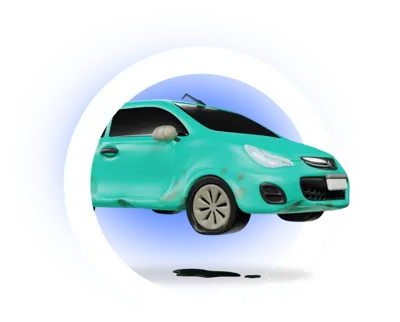
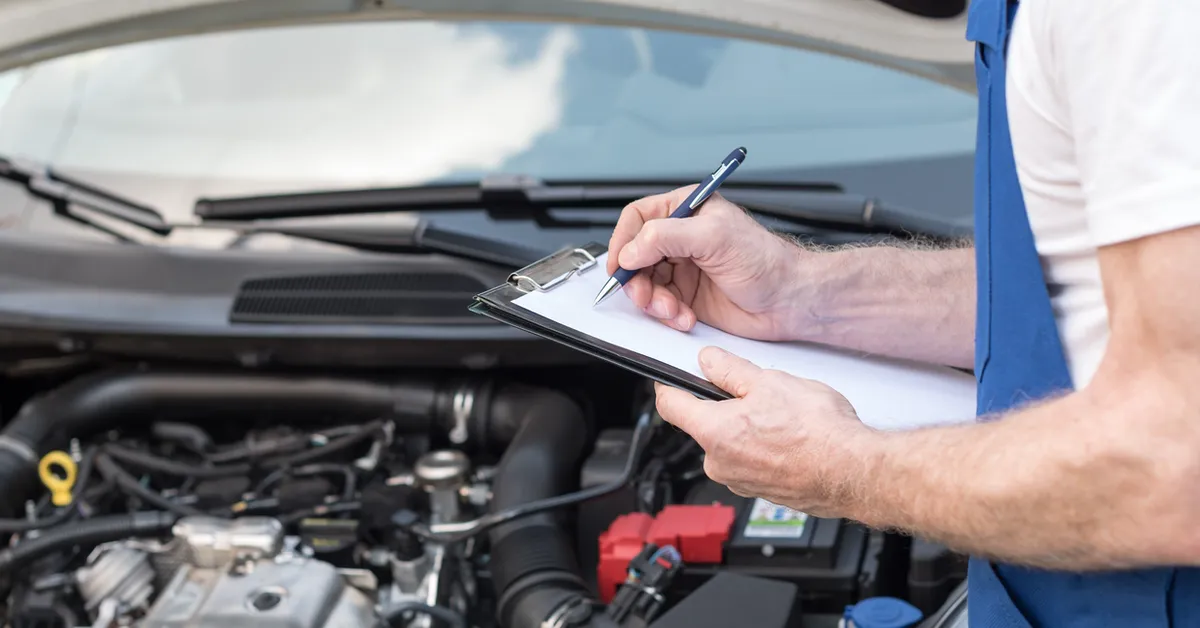
If you’re asking yourself, ‘Is it time to scrap my car?’, your first step should be to find a recycler you can trust – and that’s exactly what we’re here for. At EMR Vehicle Recycling, our team has over 70 years of experience and is always on hand to make sure your car is dealt with safely, legally, and responsibly. We appreciate that many people don’t realise just how risky end-of-life vehicles can be, so we’re here to take a closer look at some of the hazards your car could be hiding.
Toxic fluids that threaten people and the environment
One of the biggest hazards hidden in your vehicle is the range of fluids it contains. Engine oil, brake fluid, coolant, transmission fluid, and fuel can all pose real risks if they leak or are mishandled. Over time, even small spills can seep into the ground, contaminate water sources, and create long-term environmental damage. At the same time, things like brake fluid or antifreeze are highly toxic, and accidental skin contact or inhalation can cause irritation or more serious health issues like chemical burns or even liver damage.
At EMR Vehicle Recycling, carefully removing these fluids is one of the first things we do. Our experts then store these substances safely on-site before sending them to specialist contractors for proper processing. Wherever possible, we recycle the recovered fuels, oils, and air conditioning fluids, making sure they’re put to good use rather than wasted.
The hidden hazards inside car batteries
Batteries are small, but they can present major dangers. Lead-acid batteries contain corrosive acid and heavy metals like lead, while modern lithium-ion units store large amounts of energy that can be flammable if damaged or punctured. Mishandling or leaks can cause serious injuries, including eye damage, respiratory irritation from fumes, and, in extreme cases, burns or lacerations from fires or explosions. What’s more, this leaking can contaminate both soil and water, polluting ecosystems, harming wildlife, and affecting water quality for years to come.
At EMR Vehicle Recycling, every car battery is removed and recycled in accordance with strict UK safety standards. We make sure that batteries are handled expertly and meticulously by trained professionals, eliminating chemical hazards and ensuring harmful materials are diverted away from landfills.
Pressurised systems and explosive risks
Cars contain more pressurised components than most people realise. From air conditioning, fuel and suspension systems to tyres and airbags, these elements store gases or liquids, and accidentally damaging or attempting to dismantle them without proper knowledge can lead to sudden releases, fires, or even explosions. That’s why all of the Authorised Treatment Facilities in our network follow strict safety protocols when neutralising pressurised systems. Our trained technicians know how to safely release gases and fluids, making the process risk-free for both the operator and the environment.
Hazardous materials in older vehicles
This one won’t affect everyone, but it’s still worth being aware of. Many older cars contain materials that modern vehicles have left behind, and some of them can be surprisingly hazardous if disturbed. For example, asbestos was once common in brake pads, clutches and gaskets. If these parts are damaged or dismantled, tiny fibres can be released into the air and inhaled, which over time can cause serious lung diseases, including asbestosis, lung cancer, or mesothelioma. At the same time, small electrical switches, relays, and sensors in older cars can contain trace amounts of heavy metals like lead, cadmium, or mercury. Exposure to these metals, whether through direct contact or environmental contamination, can harm the nervous system, kidneys, bones, and lungs, and even enter the food chain if soil or water is polluted. With the right expertise, these hazardous materials are carefully identified, removed, and processed safely.
Legal consequences, fines and penalties
As well as the obvious physical dangers, there’s another layer of risk that’s often overlooked. In the UK, all scrapped cars must be handled by a licensed Authorised Treatment Facility. If you choose an unlicensed operator, you run the risk of your vehicle being disposed of incorrectly, which can lead to environmental contamination from fluids and hazardous materials. In some cases, you could be held legally responsible for this, facing hefty fines and penalties.
At EMR Vehicle Recycling, our entire network is made up of fully licensed Authorised Treatment Facilities, with experts processing cars in line with strict legal, safety and environmental standards. We handle every vehicle with care, keeping the DVLA informed and providing a Certificate of Destruction on request for extra peace of mind. With our help, you can avoid any potential legal complications while contributing to a safer environment.
Those are some of the key risks covered! With all that in mind, if you’re debating ‘should I scrap my car?’, we’re here to help. At EMR Vehicle Recycling, we combine decades of expertise with licensed facilities and nationwide coverage to make the process straightforward and stress-free. Simply enter your registration and postcode and get a free, no-obligation valuation today. We’ll make sure you receive the best possible price for your scrap car before moving on to handle even the most hazardous components carefully and safely. When you choose us, scrapping your car couldn’t be easier!